Basic Emergency Preparedness: Ready to Expect the Unplanned.
Emergency preparedness refers to the intentional action of foreseeing potential upheavals to normalcy and making deliberate actions to minimize their effects. Emergencies do not come in a suitable time and manner. They may happen unpredictably in the shape of natural catastrophes, extreme weather, power failures, medical emergencies, fire, or infrastructure breakdowns. These events may be disastrous, disorganized and intimidating when individuals are unprepared. It can be said that confusion results in panic, which undermines decision-making. Being prepared does not eradicate crises, but it radically increases the strength to respond in a more relaxed manner, defend oneself and other people, and maneuver through the uncertainty levels much more assertively. Preparedness is about appreciating that a disruption is a natural aspect of life and deciding to develop a minimum of preparedness as opposed to wishing that nothing will go amiss.
Being prepared is first stated by the awareness of the kind of risks that can be present in one surroundings. The various geographic areas encounter a variety of threats. This is because certain communities are more susceptible to flood, others to earthquake, extreme heat or storms or winter weather. Being aware of those hazards that have higher likelihood of occurring, would enable one to center his/her preparations towards a purpose. This awareness does not mean that one has to be going on with any fear or obsessive planning. It merely entails reading about possible risks and reflecting in a realistic manner on how they can impact the day-to-day life. Understanding the nature of the potential emergencies, people are able to make a proper decision concerning the types of supplies to prepare and the plans to develop.
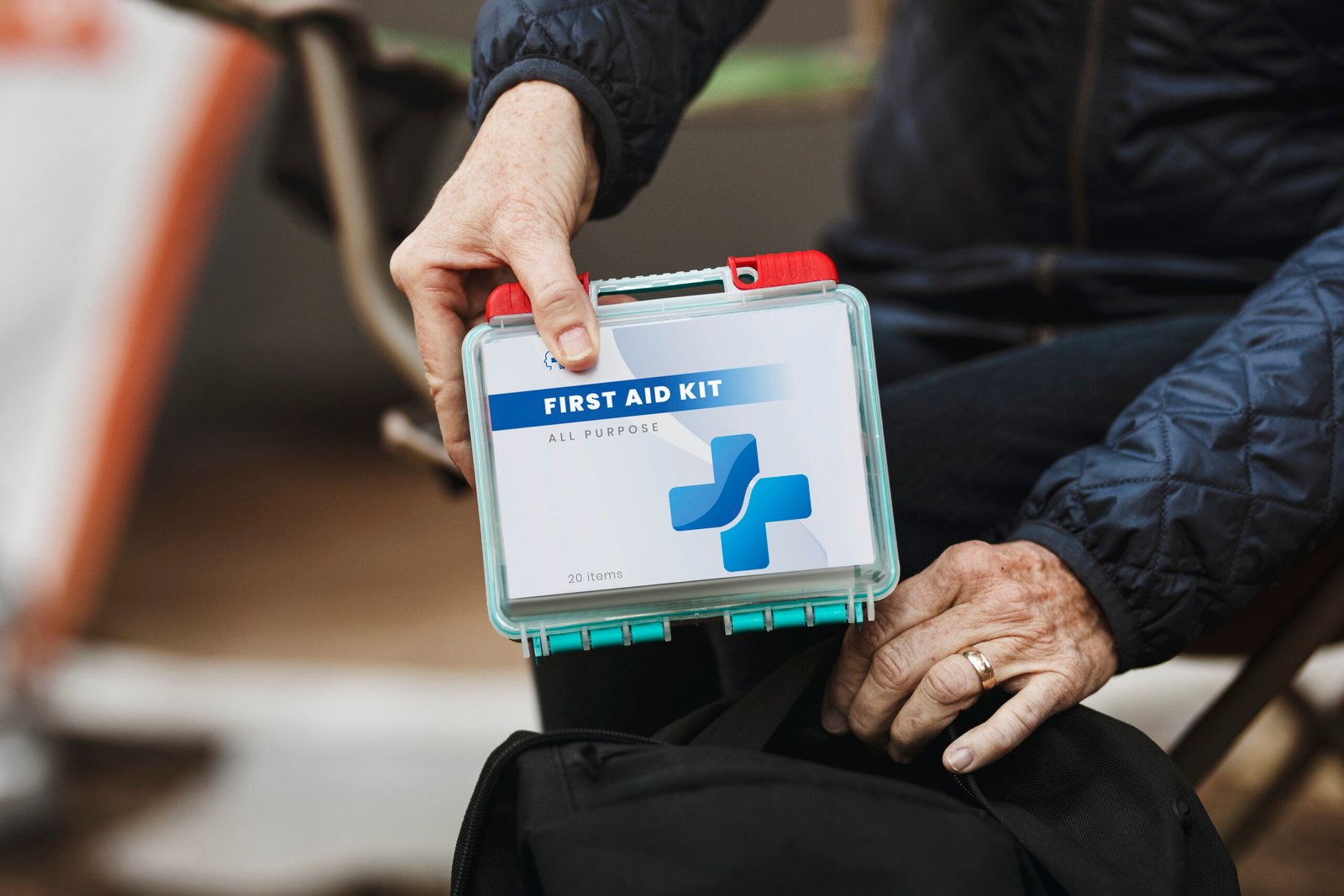
Maintaining access to the necessary supplies is one of the most feasible elements of emergency preparedness. The stores, transport and services may not be accessible or may be restricted in case of an emergency. With water, non-perishable food, first-aid supplies, flashlights, batteries, hygiene, and simple tools, one will have some independence. Such supplies do not have to be costly and large. Preparedness does not deal with the construction of huge piles. It is concerned with provision of the possibility of covering the basic needs in the short run.Looking for the best online casinos in Canada, we’ve reviewed the best online casino sites Canada has to offer, featuring secure platforms, top games, and fast payouts. Water in particular is very sensitive given that the human body cannot operate without water. A supply of clean water, even of a small amount, can be a great help during temporary inconveniences. Eats must be stored conveniently, prepared conveniently and must have long shelf life. First-aid supplies give people the opportunity to take minor injuries under control, as well as to stabilize more serious ones before medical assistance is provided.
Communication planning also comes under preparedness. In emergency cases, the communication systems can overload or collapse. The families and individuals have the advantage of a set way of communicating with each other and a set point of meeting in case they are separated. Being aware of where to head and the means of reconnecting causes less confusion and emotional pain. There is also communication planning in terms of keeping up to date. Availability of credible sources of information enable people know what is going on, and what is recommended to do.
Psychological readiness is also necessary as physical one. As a natural response to uncertainty, stress and fear can be counterproductive and deteriorate judgment and reaction timing. Individuals are likely to stay calm when they have mentally thought what they can do in case of an emergency. Tact will help to think more clearly, solve problems, and make safer decisions. Simple mental practice like visualizing how to get out of a building or the location of emergency supplies is familiarization and eliminates hesitation.
Ready-ness leaves us with a feeling of power in contingencies. Control reduces panic. Lessening panic enhances performance.
Preparation is a selfless and self-considerate thing.
Uncertainty is changed into readiness through preparedness.